The allure of wintertime outdoor camping is indisputable: immaculate landscapes and crisp air make it a memorable experience. Nonetheless, staying cozy can be a challenge when the temperatures decline.
The cold takes your heat in three primary means: conduction, condensation, and convected heat loss. Combating these hazards requires a clever defense that consists of insulation and airing vent techniques.
Develop a Strong Thermal Barrier
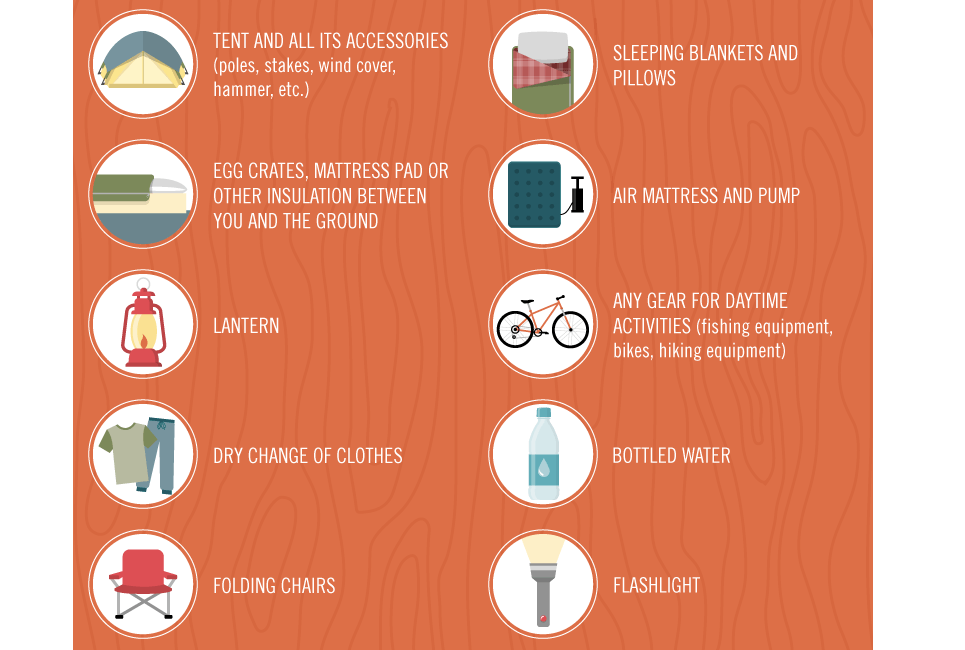
The most fundamental means to obtain cozier in a tent for wintertime outdoor camping is to layer the floors with foam and reflective barriers. This basic do it yourself technique substantially decreases warm loss to the icy ground and helps catch whatever temperature you create.
If you want to take it to the next degree, attempt making use of a commercial camping tent insulation package. These kits are developed to fit details tent designs and connect with straightforward toggles. They're a bit a lot more pricey than a DIY task, yet the top quality and convenience make them well worth the extra cost.
A non-negotiable step in any type of shielded outdoor tents is to position a ground tarpaulin beneath it. This shields the tent floor from rocks, sticks, and ground dampness, which are big sources of cold. It also lowers convective warm loss by obstructing the wind from blowing snow or rain towards your camping tent. Do not fail to remember to leave an air void-- that trapped air acts as a remarkably effective insulator.
Line the Walls and Ceiling
In addition to insulating the flooring, including insulation to the walls and ceiling is vital to keeping cozy on wintertime camping journeys. This can be done by using coverings and insulated sleeping bag linings. One more option is to utilize closed-cell foam pads. These are a good option because they take in temperature and decrease condensation.
Condensation is your outdoor tents's sneaky saboteur, sucking heat out of your resting bag and into the fabric of the wall surfaces and rainfly. That wet air will certainly soak up any type of insulation you've added, so it's important to give that wetness an escape.
To do this, just break a roofing system vent and a tiny area of among the windows on the downwind side of the outdoor tents to create a natural smokeshaft effect. This enables the cozy, moist air to leave without developing a bone-chilling draft. This approach significantly boosts an outdoor tents's thermal performance and aids you stay comfy on winter outdoor camping trips.
Ventilate
The huge obstacle when outdoor camping in the winter is keeping your body cozy. A few straightforward, effective ideas can assist make your tent comfy all evening long.
The very first layer is a ground tarp or impact that guards your tent from snow and cool planet. It additionally aids prevent a typical resource of warmth loss called conduction, where heat is formulated with the floor and out of the camping tent.
The next layer is a closed-cell foam bed mattress or resting pad. These are easy to pack, lightweight, and provide superb thermal insulation when you remain in the outdoor tents. You can add an insulated sleeping bag or quilt to wall tent the mix for a lot more heat and convenience. For brief ruptureds of additional heat, attempt a chemical warm pack (supplied they are risk-free and appropriately gotten rid of after usage). They are affordable and can be very effective at including added heat to your camping tent. They can be bought at most outside sellers.
Don't Ignore Wind and Condensation
While lining your outdoor tents is a big step in the direction of maintaining cozy, it's insufficient to completely protect you from the cold. To truly enjoy winter months outdoor camping, you need to likewise tackle both largest fun-killers: wind and condensation.
The initial issue is convective heat loss, which happens when icy wind impacts straight into your tent. A properly bet rainfly is your finest weapon versus this. It produces a dead air room in between the fly and inner camping tent, a shielding barrier that reduces biting winds.
The next trouble is convected heat loss, which happens when your temperature shows off the inside of your outdoor tents. This is a huge reason it is essential to use reflective insulation like Mylar emergency situation blankets or specialized outdoor tents patchworks. They're feather-light, budget-friendly, and incredibly reliable at bouncing radiant heat back at your body. Make sure to leave a little void in between the Mylar and tent fabric so you don't tear your rainfly.